Oral & Maxillofacial Surgery

Maxillofacial Trauma Surgery

Expert surgical treatment of facial fractures and jaw injuries. Open reduction and internal fixation using titanium plates — restoring bite, function, and facial form.

Overview

What Is Maxillofacial Trauma Surgery?


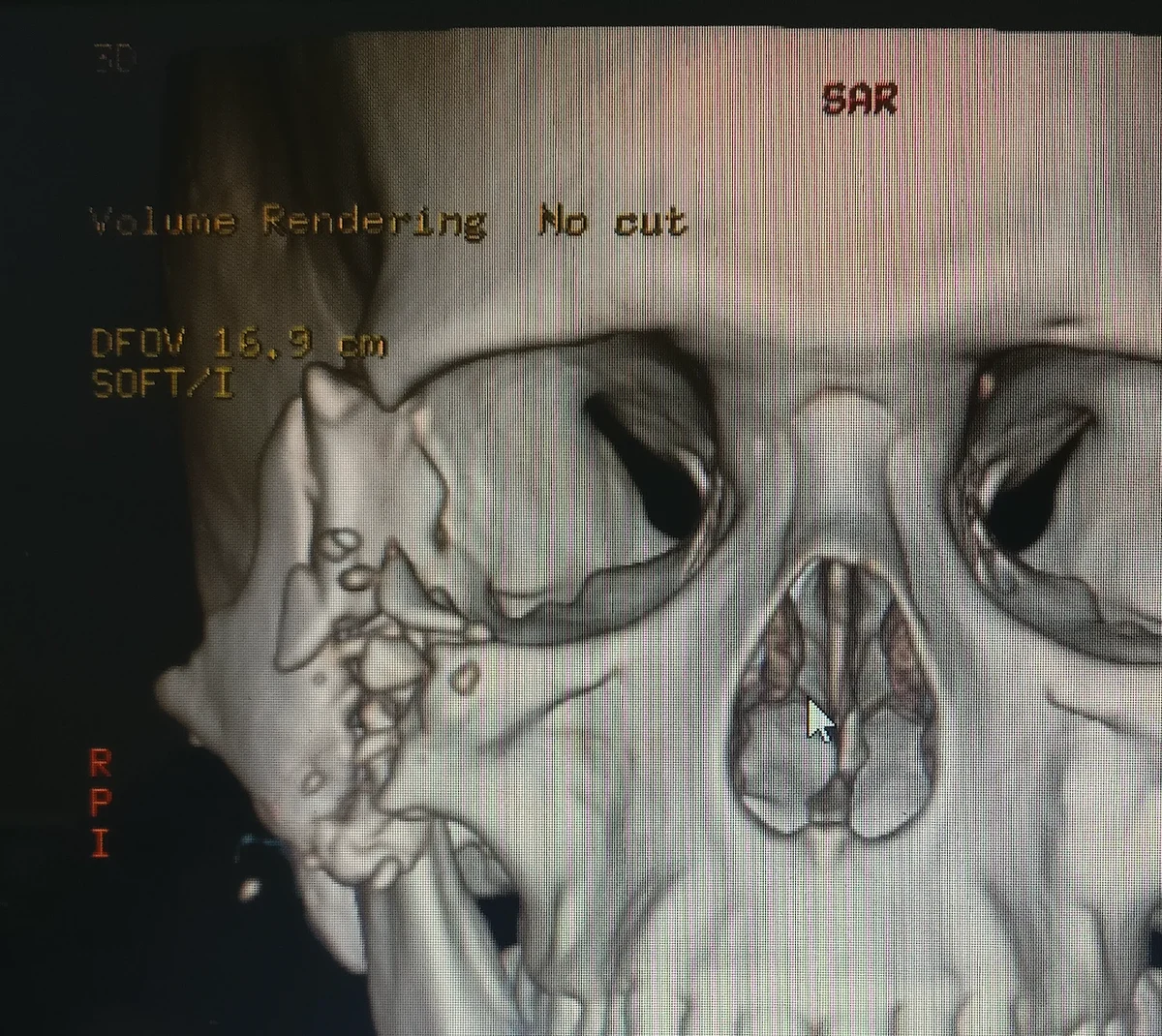
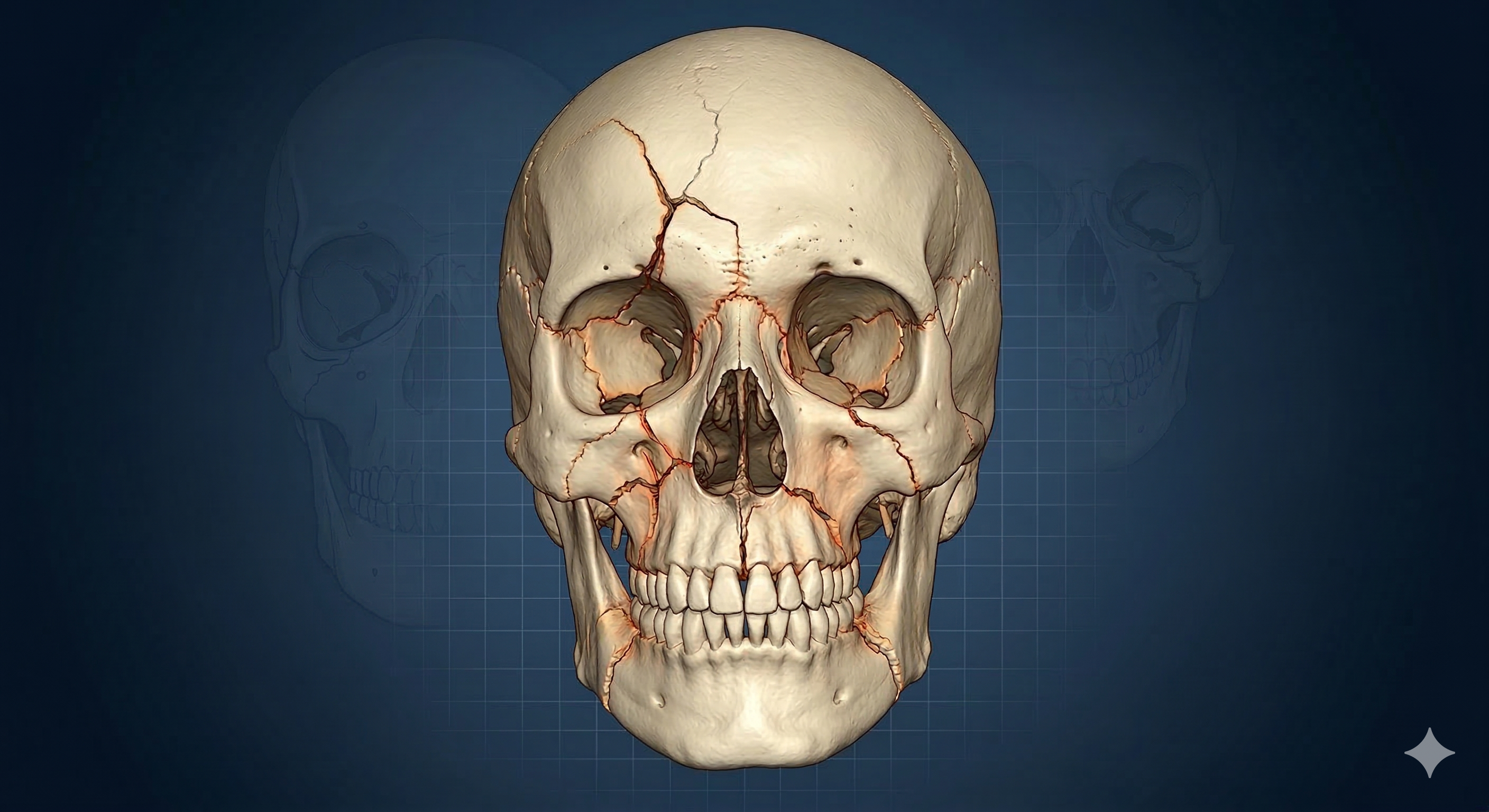
Maxillofacial trauma refers to any injury to the bones and soft tissues of the face, jaws, and mouth resulting from road traffic accidents, falls, assault, sports injuries, or workplace accidents. The face contains a complex arrangement of bones — the mandible (lower jaw), maxilla (upper jaw), zygoma (cheekbone), orbital bones (eye socket), nasal bones, and the skull base — all of which can sustain fractures from sufficient force.

Maxillofacial trauma surgery is the specialty focused on diagnosing and surgically repairing these injuries. The goals of surgery are to restore the patient's bite (dental occlusion), re-establish normal facial height and projection, ensure airway safety, and allow early return to normal function with minimal pain.

Dr. Abhisek Chatterjee performs maxillofacial trauma surgery at Asha Nursing Home and Rampurhat Government Medical College & Hospital, with access to facilities for CT imaging, general anaesthesia, and intraoperative titanium fixation systems.

Rampurhat, Birbhum
Emergency cases accepted
Types Treated

Facial Fractures We Treat

Dr. Chatterjee manages the full spectrum of facial fractures, from isolated mandibular fractures to complex panfacial trauma.

Mandible Fractures

The mandible (lower jaw) is the most commonly fractured facial bone. Fractures may occur at the symphysis, parasymphysis, body, angle, ramus, or condyle. Surgical fixation with titanium mini-plates restores bite alignment and allows early jaw movement.

Maxillary Fractures

Le Fort fractures of the upper jaw are classified by level of involvement (Le Fort I, II, III). They commonly result from high-velocity impacts and require surgical reduction and fixation to restore midface height, projection, and dental occlusion.

Midface & Zygomatic Fractures

Fractures of the zygoma (cheekbone) and zygomatic arch cause cheek flattening, periorbital swelling, and restricted mouth opening. Surgical elevation and fixation restores facial contour and normal jaw function.

Condylar Fractures

Fractures of the mandibular condyle affect the joint that connects the lower jaw to the skull. Management depends on fracture displacement and may include closed reduction with physiotherapy or open surgical reduction and internal fixation.

Panfacial Trauma

Complex multi-level facial fractures involving the upper, middle, and lower face simultaneously. Panfacial trauma requires careful systematic surgical planning and staged or simultaneous fixation of all fracture components to restore facial height, width, and projection.

Urgent Care

When to Seek Immediate Evaluation


Following any facial injury, seek immediate evaluation at an emergency department or contact Dr. Chatterjee if you experience any of the following:

  • Visible deformity or asymmetry of the face or jaw
  • Inability to close the mouth or bite normally (malocclusion)
  • Severe pain, swelling, and bruising over the face or jaw
  • Numbness or altered sensation over the chin, lip, or cheek
  • Difficulty breathing or swallowing
  • Loose or displaced teeth following trauma
  • Restricted or painful mouth opening
  • Bleeding from the mouth that does not stop with pressure
  • Double vision or eye movement restriction after facial injury
If you are experiencing difficulty breathing or active heavy bleeding following a facial injury, go to the emergency department immediately.
Surgical Technique

Open Reduction & Internal Fixation (ORIF)

The gold standard for surgical management of displaced facial fractures.

Pre-operative Assessment & Imaging

CT scan of the facial skeleton with 3D reconstruction is the standard imaging for facial fractures. This defines fracture pattern, displacement, and surgical planning. Dental occlusion (bite alignment) is assessed clinically to guide fixation strategy.

Anaesthesia

Maxillofacial trauma surgery is typically performed under general anaesthesia with nasal or submental intubation (to allow dental occlusion to be checked during surgery). Simple isolated condylar fractures may sometimes be managed under local anaesthesia with sedation.

Surgical Access

Incisions are placed inside the mouth (intraoral) wherever possible to avoid visible facial scars. For zygomatic and orbital fractures, small incisions may be placed in the lower eyelid skin crease, eyebrow, or scalp. The soft tissues are elevated to expose the underlying fractured bone.

Reduction & Titanium Fixation

The displaced bone fragments are repositioned (reduced) into their correct anatomical position and held in place with titanium mini-plates and screws. Titanium is the material of choice because it is strong, lightweight, biocompatible, and not affected by MRI scanning. The dental bite is verified intraoperatively by placing the teeth into occlusion.

Intermaxillary Fixation (IMF)

Following fixation of mandibular fractures, the upper and lower teeth may be wired or held together with elastic bands (intermaxillary fixation) for a period of 4–6 weeks. This provides additional stability during bone healing and ensures the bite heals in the correct position.

Recovery & Follow-up

Postoperative care includes antibiotics, analgesics, chlorhexidine oral rinse, and dietary modification to soft and liquid foods. Regular follow-up appointments monitor healing, with X-rays or OPG at 6–8 weeks to confirm bone union. Physiotherapy exercises are prescribed to restore normal jaw opening range.

Aftercare

Recovery & Aftercare


Week 1–2

Hospital stay of 1–3 days. Significant swelling and bruising. Liquid diet only. Antibiotics and pain medication as prescribed. Oral hygiene with chlorhexidine rinse. Elevation of head while sleeping reduces swelling.

Week 3–6

Swelling gradually resolves. If intermaxillary fixation (IMF) is in place, jaw remains closed with elastics or wires. Continuation of liquid diet during this period. Return to desk work and light activities is usually possible.

Week 6–12

IMF is released at approximately 6 weeks. Soft diet progressed to normal diet gradually. Jaw physiotherapy exercises begin to restore full mouth opening range. X-ray or OPG confirms bone union. Numbness in the chin or lip (if present) gradually improves over months.

After 3 Months

Bone fully consolidated. Full normal diet resumed. Any residual swelling has settled. Dental review for any teeth damaged in the injury. Long-term follow-up at 6 months and 1 year to assess occlusion and facial contour.

Why Choose Us

Why Choose Dr. Abhisek Chatterjee for Maxillofacial Trauma?

MDS Specialist in Oral & Maxillofacial Surgery

Postgraduate surgical training specifically in oral and maxillofacial surgery — not a general dentist or general surgeon performing facial fracture repair.

Hospital-Based Practice

Surgical access at Asha Nursing Home and Rampurhat Govt. Medical College & Hospital, with anaesthesia, imaging, and ICU support for complex trauma cases.

Locally Available in Birbhum

Specialist maxillofacial trauma surgery in Rampurhat, accessible to patients from Birbhum, Murshidabad, Bolpur, Suri, Nalhati, and surrounding districts.

Emergency & Elective Cases

Accepts both emergency trauma referrals and elective cases where surgical intervention has been recommended but not yet performed.

Service Area

Serving Rampurhat, Birbhum & Surrounding Districts


Maxillofacial trauma surgery has historically been available primarily in Kolkata or other large cities, leaving patients in Birbhum and neighbouring districts with limited access to specialist care after serious facial injuries.

Dr. Abhisek Chatterjee provides specialist maxillofacial trauma surgical services at Rampurhat, serving patients from Birbhum, Murshidabad, Bolpur, Nalhati, Suri, Dumka, Deoghar, and surrounding areas. Both emergency trauma admissions and referrals from district hospitals and general practitioners are accepted.

RampurhatBirbhumMurshidabadBolpurNalhatiSuriDumkaDeoghar
Emergency & Referral Contact

For urgent facial trauma cases or referrals, contact Dr. Chatterjee at:

Asha Nursing Home & Rampurhat Govt. Medical College, Birbhum, West Bengal

Common Questions

Maxillofacial Trauma FAQs

Suffered a Facial Injury? Get Expert Surgical Care.

Contact Dr. Abhisek Chatterjee for urgent evaluation of maxillofacial trauma. Specialist surgical care available in Rampurhat, Birbhum.