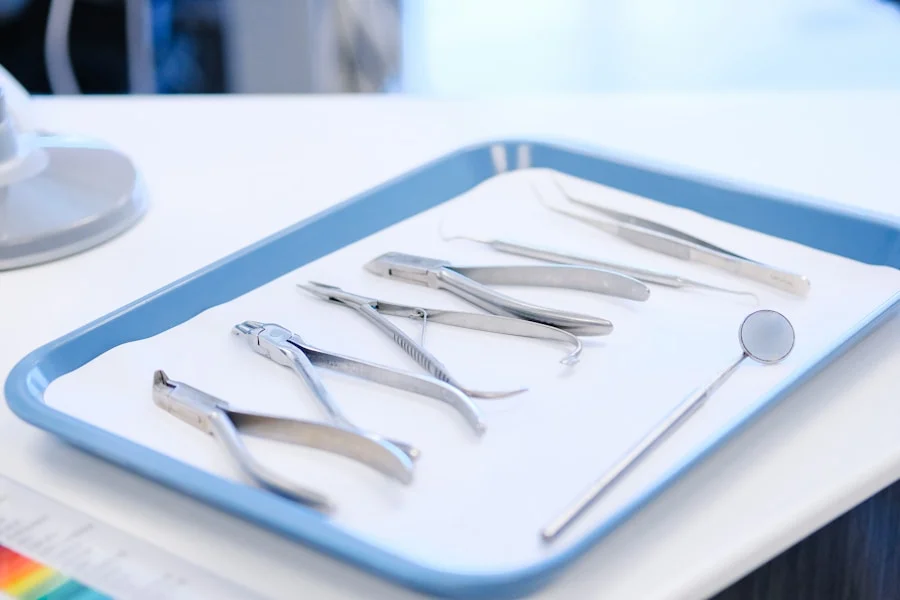
Oral & Maxillofacial Surgery

Surgical Tooth Extraction

Expert removal of impacted wisdom teeth, retained roots, and complex extractions — performed safely and effectively under local or general anaesthesia in Rampurhat.

Overview

What Is Surgical Tooth Extraction?


A surgical tooth extraction is the removal of a tooth that cannot be taken out with simple forceps technique alone — because it is impacted (buried under the gum or bone), has an unusual root shape, has broken off at the gum line, or requires a more controlled approach for safety.

Unlike a simple extraction performed at a dental chair, surgical extraction involves making an incision in the gum, carefully lifting the gum tissue, removing or reshaping the surrounding bone, and often sectioning (cutting) the tooth into pieces before removal. This approach allows the tooth to be removed through a smaller pathway with less trauma to the surrounding tissues, resulting in better healing.

As an oral and maxillofacial surgeon, Dr. Abhisek Chatterjee performs all categories of complex surgical extraction — from impacted wisdom teeth to buried roots and teeth requiring extraction under general anaesthesia for anxious patients or children. Procedures are available at Asha Nursing Home, Rampurhat.

OPG X-ray guided surgical planning
Available at Asha Nursing Home, Rampurhat
Indications

Types of Teeth Requiring Surgical Extraction

Not all teeth require a surgical approach — but when the tooth is buried, broken, or positioned in a complex way, surgical technique ensures safe and complete removal.

Impacted Wisdom Teeth

Third Molars — Most Common Surgical Extraction

Wisdom teeth (third molars) that fail to erupt fully or correctly are the most common indication for surgical extraction. They may be partially erupted (partially through the gum), completely submerged under the gum, or angled against the adjacent tooth. Impacted wisdom teeth cause recurrent infection (pericoronitis), pain, damage to the adjacent second molar, and cyst formation if neglected. Surgical removal under local or general anaesthesia is the definitive treatment.
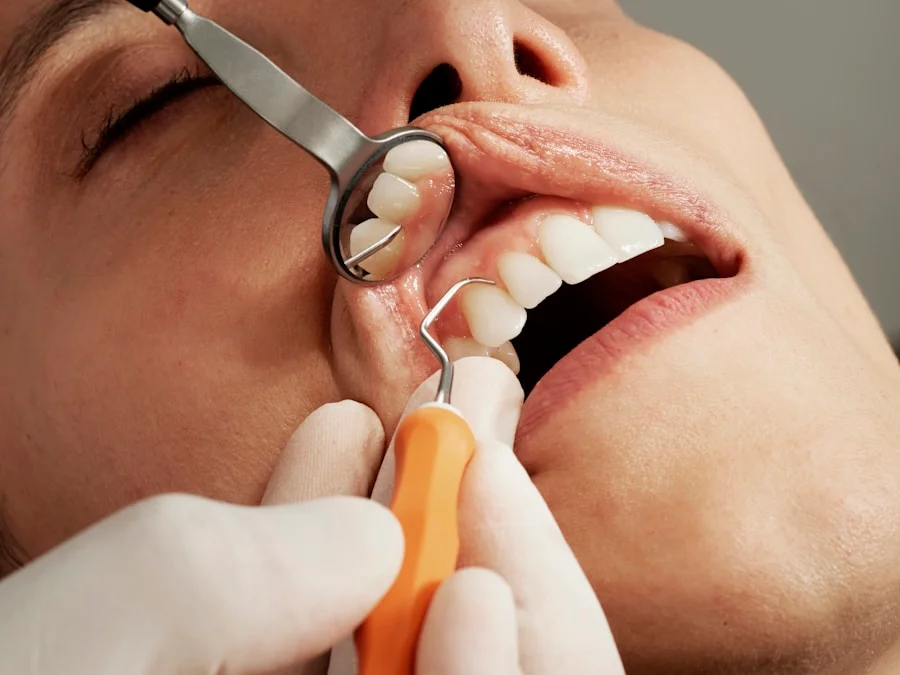
Retained Roots

Broken or Buried Tooth Roots

Tooth roots left behind after an incomplete extraction, or roots remaining after a tooth has fractured at the gum line, often require surgical removal. Retained roots can become infected, prevent socket healing, and interfere with denture fitting or implant placement. Surgical elevation of a gingival flap and bone removal is required to access and retrieve the buried root fragment safely.

Infected / Abscessed Teeth

Teeth with Spreading Dental Infection

Severely infected teeth with periapical abscess, significant bone destruction, or spreading infection (cellulitis, Ludwig's angina) may require urgent surgical extraction to remove the source of infection and facilitate drainage. In cases of spreading facial space infection, extraction may be combined with surgical drainage under general anaesthesia.

Supernumerary Teeth

Extra Teeth Causing Problems

Supernumerary teeth are extra teeth developing outside the normal dental complement. The mesiodens (a small extra tooth between the upper central incisors) is the most common type. Supernumerary teeth may block eruption of permanent teeth, cause crowding, or form cysts. Surgical removal under general anaesthesia in children, or local anaesthesia in adults, is required.

Teeth in Fracture Line

Extraction in Jaw Fracture Cases

Teeth present within the line of a jaw fracture may require removal during fracture fixation surgery if they are preventing reduction of the fracture, are themselves fractured, have severe pre-existing periapical disease, or are mobile and at risk of aspiration. The decision to retain or remove such teeth is made during fracture management.

The Procedure

What Happens During Surgical Extraction?

Understanding each step of the procedure helps patients feel prepared and less anxious about what to expect on the day.

Assessment & Imaging

The tooth is assessed clinically and with an OPG (dental panoramic X-ray) or periapical X-ray to understand its position, root anatomy, angulation, and proximity to important structures such as the inferior alveolar nerve (for lower wisdom teeth). CBCT may be used when the X-ray suggests very close proximity to the nerve canal.

Anaesthesia

Surgical extraction is typically performed under local anaesthesia (injection into the gum to numb the area) for most uncomplicated cases. General anaesthesia is available for anxious patients, children, cases requiring simultaneous work in multiple quadrants, or complex procedures where deeper access or extended time is anticipated.

Surgical Access

A small incision is made in the gum over the tooth. The overlying gum tissue is carefully lifted to expose the tooth and surrounding bone. The extent of bone removal required depends on the angulation and depth of the impacted tooth.

Tooth Sectioning & Removal

Impacted teeth, particularly angled wisdom teeth, are divided (sectioned) into two or three pieces using a surgical drill. This reduces the amount of bone removal needed and allows each section to be removed through a smaller pathway. This technique minimises trauma and speeds healing.

Socket Preparation & Closure

The surgical site is irrigated, inspected, and any small bone sharp edges smoothed. The gum is repositioned and sutured closed with dissolving sutures. Instructions for post-operative care are given, including swelling management, diet, oral hygiene, and medication.

Pre & Post Operative

Before & After Surgical Extraction


Before Surgery
  • Inform us of any medications you take, especially blood thinners, diabetes medications, and steroids
  • If under general anaesthesia: fast for 6 hours (no food or drink) before the procedure
  • Arrange for someone to accompany you home if sedation or general anaesthesia is planned
  • Bring any recent dental X-rays to your consultation
  • A pre-operative assessment and consent discussion is conducted before all procedures
After Surgery
  • Bite firmly on the provided gauze for 30–45 minutes to control initial bleeding
  • Apply ice pack wrapped in cloth to the cheek — 15 minutes on, 15 minutes off — for the first 6 hours
  • Avoid hot food and drinks, smoking, and vigorous rinsing for the first 24 hours
  • Gentle warm salt water rinsing after 24 hours — 3–4 times daily — aids healing
  • Soft diet for 5–7 days; avoid hard, crunchy, or chewy foods near the extraction site
  • Take prescribed antibiotics and painkillers as directed; complete the antibiotic course
Wisdom Teeth

Wisdom Tooth Removal in Rampurhat


Wisdom teeth (third molars) are the last permanent teeth to develop, typically erupting between the ages of 17 and 25. The human jaw has often become too small over evolutionary time to accommodate these four additional molars — resulting in impaction (inability to fully erupt into a normal position).

Impacted wisdom teeth do not always cause immediate symptoms, but their potential for future complications makes timely assessment important. The best time to remove a problematic wisdom tooth is before complications develop — younger patients heal faster and have less risk of post-operative nerve issues.

Complications of Not Removing Impacted Wisdom Teeth:

  • Recurrent pericoronitis — repeated infection and painful swelling around the partly erupted tooth
  • Cyst formation — a dentigerous (follicular) cyst developing around the crown of the unerupted tooth, expanding through jaw bone
  • Damage to the adjacent second molar — resorption of the root of the tooth in front
  • Crowding of the front teeth (the evidence for this is debated, but removal prevents adjacent tooth damage)
  • Difficulty cleaning — partial eruption creates a pocket that harbours bacteria and cannot be effectively cleaned
Best Time for Wisdom Tooth Removal

Wisdom teeth are easiest to remove between the ages of 18–25, when roots are not yet fully formed. Early removal reduces the risk of complications and speeds healing.

Healing

Recovery Timeline


First 24 Hours

Mild to moderate bleeding from the socket is normal and controlled with gauze pressure. Swelling begins to develop. Rest is recommended. Cold pack application reduces swelling. Pain medication to be taken before the anaesthesia fully wears off.

Days 2–3: Peak Swelling

Swelling typically peaks at 48–72 hours and may extend to the cheek and neck. This is normal. Soft diet maintained. Pain usually most noticeable during this period — regular analgesia is important. Gentle warm salt water rinsing begins from 24 hours post-surgery.

Days 5–7: Improving

Swelling gradually reduces. Most patients feel significantly better by day 5–7. Sutures begin to dissolve. Diet progresses from liquids to soft solids. Most patients can return to work or school by day 5–7, depending on the complexity of the procedure.

Weeks 2–4: Gum Healing

Gum tissue closes over the extraction site. Sutures fully dissolved. Normal diet can typically be resumed. Any residual lip or chin numbness (particularly after lower wisdom tooth removal) should be reported at the follow-up appointment. Complete socket bone fill takes several months.

Common Questions

Surgical Extraction FAQs

Impacted Wisdom Tooth or Difficult Extraction?

Get a specialist assessment from Dr. Abhisek Chatterjee. Expert surgical tooth extraction — including impacted wisdom teeth and complex cases — available in Rampurhat, Birbhum.